The RELiEF project has ended.

Learn more about the results of RELiEF by visiting our results and publications sections.

Stay tuned for more results to come. We will continue to update the publications section.

Follow us on X
Follow us on LinkedIn
The RELiEF project has ended!
Learn more about our results.

Quotes from the RELiEF Consortium

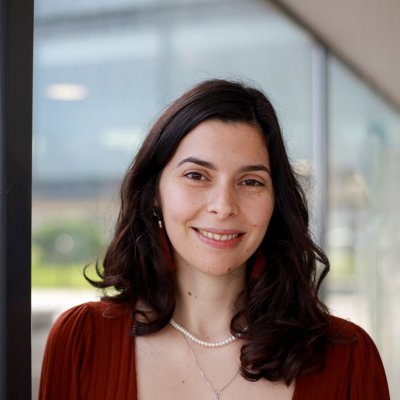
We showed that lithium can be sustainably recovered from secondary solid and liquid streams using low-impact leaching and electrodialytic approaches, with promising results for Al/Li alloy dust (91.5%) and industrial wastewaters (97%). The work highlights how strongly feedstock characteristics influence performance and confirms the electrodialytic process as an effective and selective recovery step, supporting more environmentally friendly lithium valorisation routes. Working in RELiEF has been a very positive experience, thanks to the strong collaboration and shared commitment to sustainable innovation.

Photo of Joana Almeida, NOVAJoana Almeida, NOVA

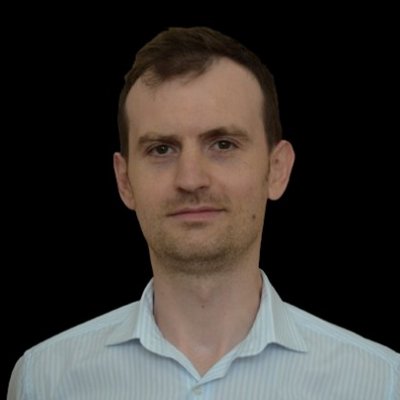
We processed recycled lithium streams into battery-ready material inputs and reinforced the core elements of a closed-loop route: robust lithium carbonate recovery from purified solutions, successfully cathode material regeneration, using both commercial and recycled lithium sources, and controlled lithium metal deposition as thin films anodes in non-aqueous/ionic-liquid systems. I especially appreciated the consortium’s practical, collaborative way of solving problems across different situations, which is exactly what circular battery value chains need. These results strengthen Europe’s prospects for scalable, circular battery materials and open clear routes for scale-up and integration in future recycling lines.

Photo of Mihai Olaru, IMNRMihai Olaru, IMNR

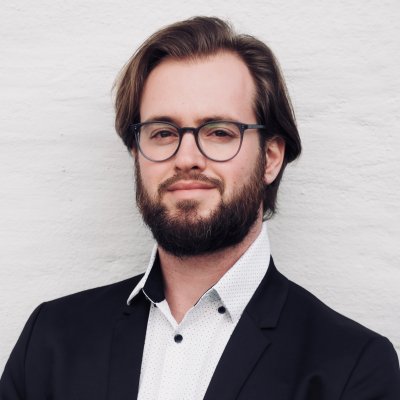
RELiEF managed to efficiently communicate, disseminate and prepare the exploitation of the project’s advances in sustainable lithium recovery from secondary sources across Europe, strengthening the link between research, industry and policy stakeholders. Beyond the impact-driven dissemination, these results support a circular battery materials value chain and enhance the possibilities for the EU’s capacity to reduce lithium waste by over 70 % in the long term. Our work sets new opportunities for scalable recycling solutions that contribute to EU competitiveness and raw material autonomy.

Photo of Samuel Hoefman, EURICE Samuel Hoefman, EURICE

About the Project

Lithium metal has been in high demand. Now more so than ever with the increasing popularity of e-mobility. Despite lithium recycling being an established process, an estimated 27% of the current global lithium production still turns into waste.

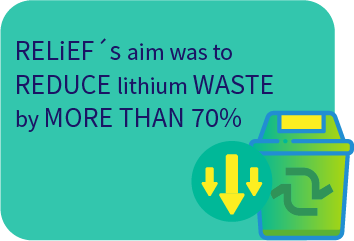
RELiEF had the clear goal of reducing lithium waste by more than 70% through the use of previously unused secondary lithium sources.
Duration 3 Years
Budget 6 Mio €
12 Partners 7 Countries